Table of Contents
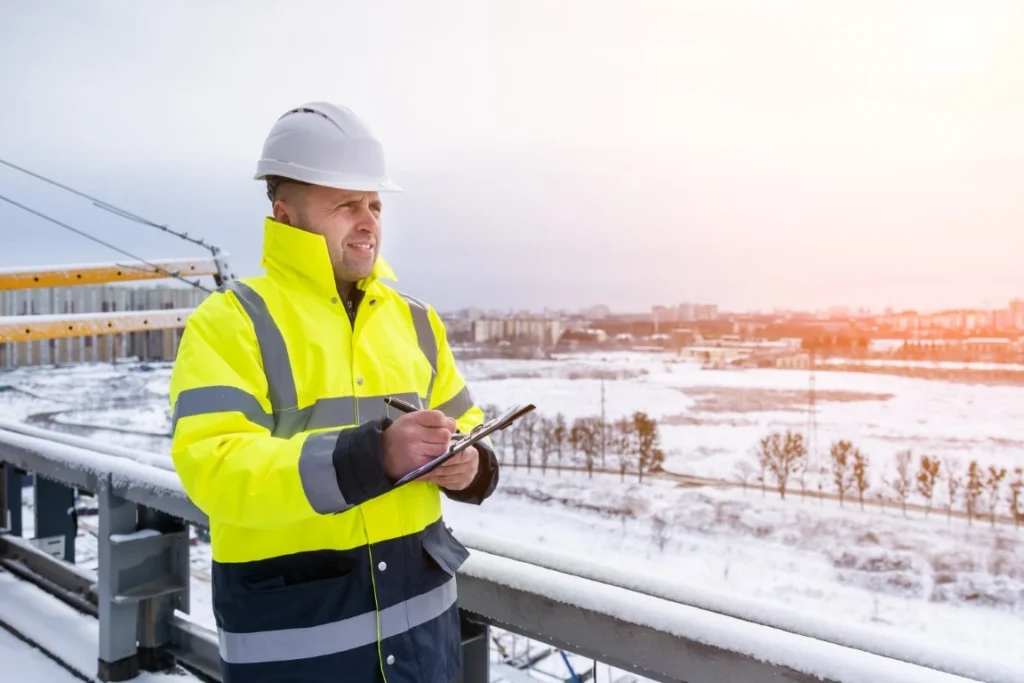
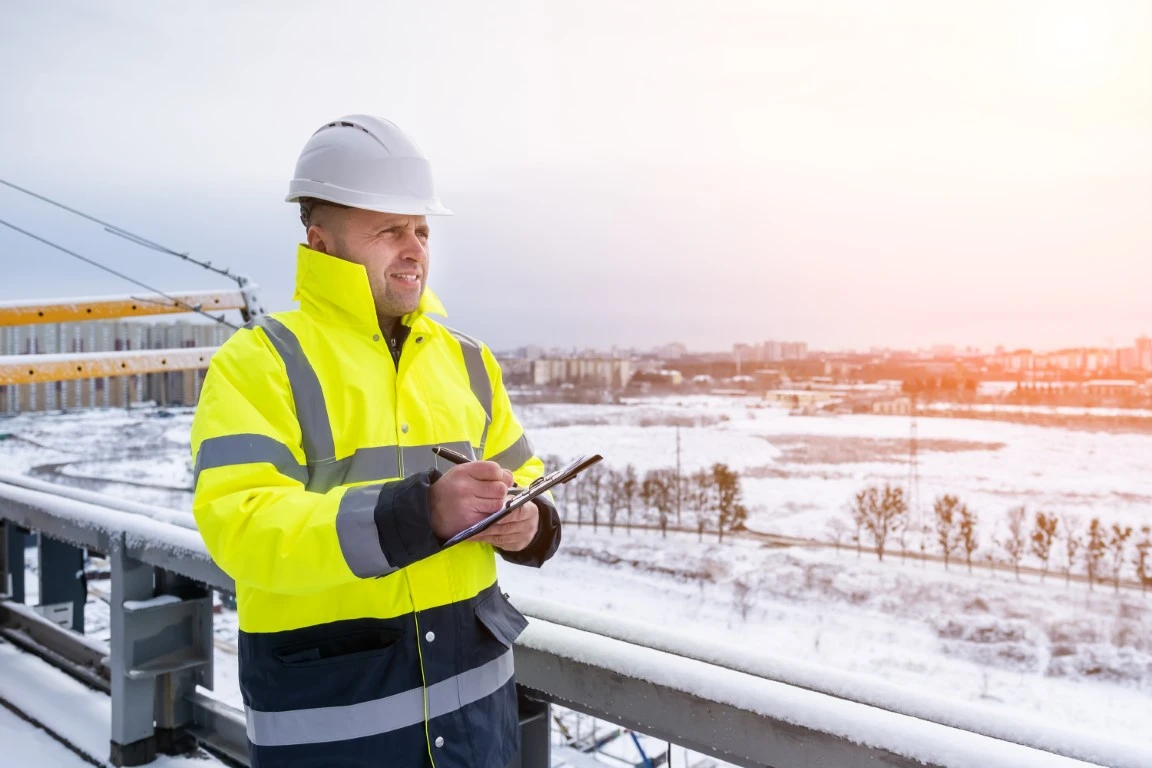
Winter weather presents unique challenges for commercial construction teams. Cold temperatures, snow, ice, and reduced daylight hours can create hazardous working conditions if proper precautions are not taken. Despite these obstacles, many commercial construction and remodeling projects continue throughout the winter to stay on schedule and meet deadlines. The key to maintaining productivity during the colder months is prioritizing safety and preparing job sites for winter-specific risks.
By implementing seasonal safety measures and equipping workers with the right tools and knowledge, construction teams can reduce accidents, prevent injuries, and keep projects moving forward. Below are essential winter construction safety tips that help protect workers while maintaining efficiency on commercial job sites.
Know the Signs of Winter Injury and Illness
Cold-related injuries and illnesses are a serious concern during winter construction. Hypothermia, frostbite, and cold stress can develop quickly, especially when workers are exposed to wind, moisture, or freezing temperatures for extended periods. Hypothermia symptoms may include uncontrollable shivering, confusion, fatigue, slurred speech, and loss of coordination. Frostbite often affects fingers, toes, ears, and the nose, appearing as numbness, pale or bluish skin, or a tingling sensation.
It’s important for construction teams to receive training on recognizing these warning signs early. Workers should be encouraged to monitor one another and report symptoms immediately. Addressing cold-related illness quickly can prevent long-term injury and serious medical emergencies, keeping job sites safer overall.

Improve Documentation
Clear documentation is a critical component of winter construction safety. Safety plans should be updated to reflect cold-weather procedures, including required personal protective equipment, emergency response plans, and guidelines for extreme weather conditions. Daily job site logs can document temperature changes, precipitation, and any weather-related hazards encountered throughout the day.
Maintaining accurate records helps supervisors make informed decisions about work schedules and safety adjustments. Documentation also improves communication between management and crews, ensuring everyone understands expectations and safety protocols during winter operations.
Require Proper Gear and Clothing
Wearing the right gear is one of the most effective ways to protect workers during winter construction. Proper clothing should be insulated, water-resistant, and flexible enough to allow safe movement while working. Layering is highly recommended, as it allows workers to regulate body temperature throughout the day as conditions change.
Essential winter safety gear includes slip-resistant boots, insulated gloves, thermal socks, weather-resistant outerwear, and appropriate head and face protection. Employers should ensure that all safety gear meets industry standards and is well maintained. When workers are warm and comfortable, they are more alert, focused, and less likely to make mistakes that lead to accidents.
Inspect and Clear Ice Before the Workday

Ice and snow significantly increase the risk of slips, trips, and falls on construction sites. Before each workday begins, job sites should be inspected for icy walkways, ladders, scaffolding, ramps, and equipment surfaces. Snow should be cleared promptly, and de-icing materials should be applied where necessary.
Conditions can change throughout the day as temperatures rise and fall, so ongoing inspections are just as important. Assigning responsibility for monitoring and maintaining safe surfaces helps ensure hazards are addressed quickly and consistently.
Provide Heated Break Areas
Access to heated break areas is essential for winter construction safety. These spaces give workers an opportunity to warm up, dry wet clothing, and recover from prolonged exposure to cold temperatures. Regular warm-up breaks reduce fatigue and lower the risk of hypothermia and cold stress.
Heated areas also improve morale and overall job satisfaction during challenging winter conditions. When workers feel supported and comfortable, they are more likely to stay focused, productive, and engaged throughout the workday.
Stay on Top of Weather Conditions
Winter weather can change rapidly, making it essential to closely monitor forecasts and on-site conditions. Snowstorms, freezing rain, high winds, and extreme cold may require schedule adjustments or temporary work stoppages. Planning ahead for weather-related disruptions helps minimize downtime while prioritizing worker safety.
Project managers should communicate weather updates clearly with crews and be prepared to adjust workloads as needed. Flexibility and proactive planning are key to maintaining safe and efficient winter operations.

Commercial Projects from Gurr Construction
At Gurr Construction, safety is a top priority on every commercial project, regardless of the season. Our team understands the challenges winter weather brings and takes proactive steps to protect workers, clients, and job sites. Through detailed planning, proper equipment, and experienced oversight, we help ensure projects stay on track without compromising safety.
If you’re planning a commercial construction or remodeling project and want a team committed to safety, quality, and professionalism year-round, Gurr Construction is ready to help. Contact us today to learn more about our commercial services and how we approach winter construction with confidence and care.