Table of Contents
- Why Minimizing Vacancy Matters
- Start With a Detailed Renovation Plan
- Renovate in Phases
- Focus on Fast, High-Value Upgrades
- Schedule Renovations Around Lease Turnover
- Maintain Clear Communication With Tenants
- Work With Experienced Multi-Family Contractors
- Choose Gurr Construction for Your Mult-Family Unit Renovation
Renovating multi-family properties is one of the best ways for property owners to increase rental value, improve tenant satisfaction, and stay competitive in the housing market. However, renovations also come with challenges, especially when it comes to minimizing vacancy and maintaining steady rental income throughout the project.
The key to successful multi-family renovations is careful planning and efficient execution. With the right strategy, property owners can complete important upgrades while keeping as many units occupied as possible. Gurr Construction helps property owners manage renovation projects efficiently so they can improve their properties with minimal disruption and downtime.
Why Minimizing Vacancy Matters
Vacancy is one of the biggest concerns during any renovation project. Every empty unit represents lost income, and large-scale renovations can quickly affect overall cash flow if too many units are taken offline at once.
In addition to lost rent, long vacancies can create additional expenses for property owners. Utilities, maintenance costs, and financing obligations continue even when units are not occupied. Extended renovation timelines may also make it harder to retain tenants if residents become frustrated by noise, disruptions, or unfinished work.
Minimizing vacancy allows property owners to continue generating income while improving the property. It also helps maintain a more stable living environment for tenants and preserves the property’s reputation in the rental market.
Start With a Detailed Renovation Plan
One of the most effective ways to reduce vacancy during renovations is to create a detailed plan before construction begins. Careful planning helps avoid delays, material shortages, and scheduling conflicts that can extend project timelines.
A strong renovation plan should include a clear budget, construction schedule, material selections, and a timeline for each phase of work. Property owners should also prioritize upgrades that provide the greatest return on investment while keeping the project manageable.
Planning ahead allows contractors to coordinate work more efficiently and helps property managers prepare tenants for upcoming renovations. It also reduces the risk of unexpected issues that can cause units to remain vacant longer than necessary.

Renovate in Phases
For occupied multi-family properties, phased renovations are often the best approach. Instead of renovating every unit at the same time, contractors can complete work in smaller sections or groups of units.
This strategy allows property owners to keep a portion of the property occupied and generate income throughout the renovation process. It also helps reduce the overall disruption for tenants because construction activity is more contained and organized.
Phased renovations make scheduling easier as well. Contractors can focus on completing one set of units before moving on to the next, which improves efficiency and reduces downtime between stages.
Focus on Fast, High-Value Upgrades
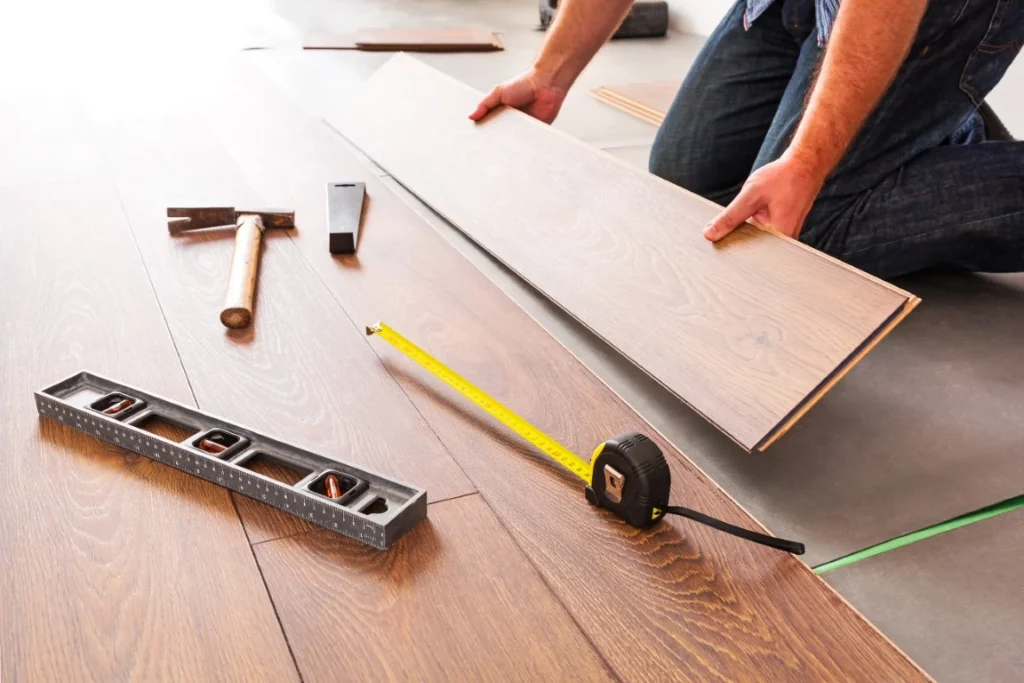
Not every renovation project requires major structural changes. In many cases, simple cosmetic upgrades can significantly improve a unit’s appearance and rental value without requiring lengthy construction.
Some of the most effective high-value upgrades include:
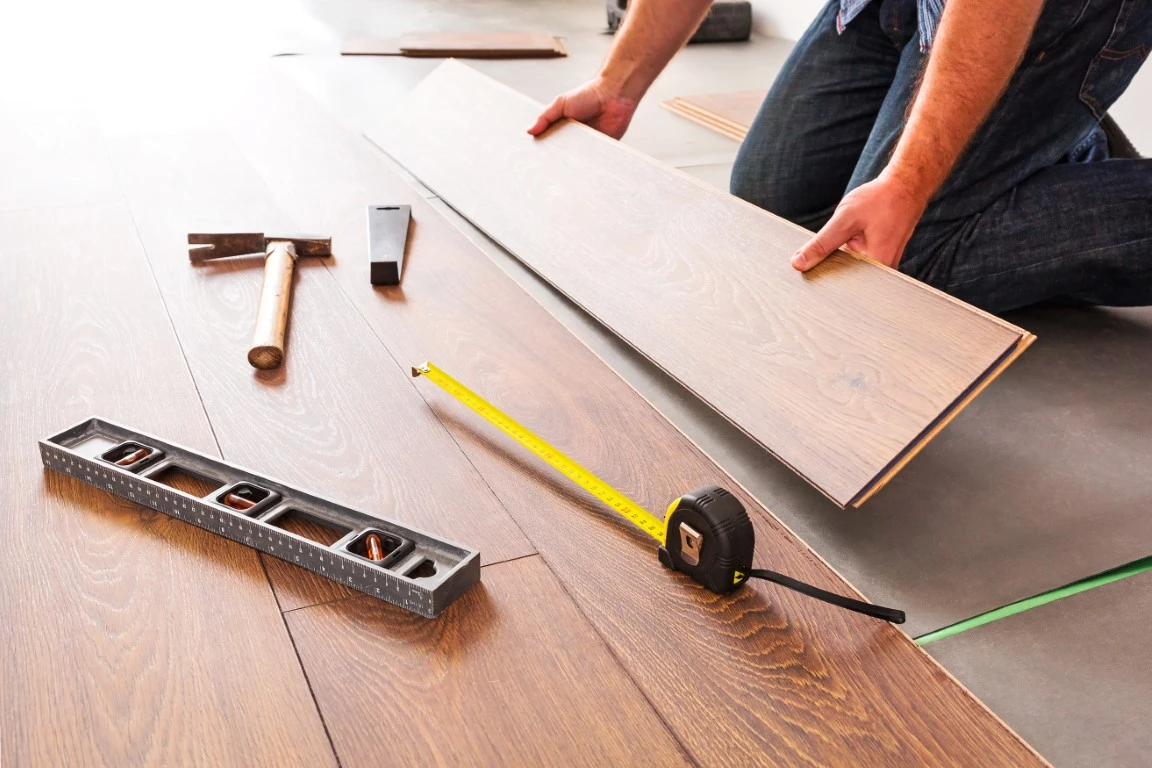
- Replacing outdated flooring
- Applying fresh paint
- Updating lighting fixtures
- Refinishing cabinets
- Installing modern appliances
- Replacing hardware and fixtures
These improvements can often be completed quickly to allow units to return to the market faster. Even small upgrades can make a unit feel cleaner, more modern, and more appealing to prospective tenants.
Property owners should focus on renovations that provide noticeable improvements while minimizing construction time and disruption.
Schedule Renovations Around Lease Turnover
Timing plays a major role in reducing vacancy during multi-family renovations. Whenever possible, renovations should be scheduled between tenant move-outs and new lease agreements.
Renovating vacant units during natural turnover periods eliminates the need to temporarily relocate current tenants or interrupt occupied units. This approach helps reduce complaints and allows contractors to work more efficiently in empty spaces.
Property managers can also stagger lease renewals and renovation schedules to create a steady workflow rather than facing large numbers of vacant units at the same time.
By coordinating renovations with tenant turnover, property owners can improve units while minimizing lost rental income.
Maintain Clear Communication With Tenants
Tenant communication is essential during any occupied renovation project. Even well-planned renovations can create temporary inconveniences, including noise, dust, parking restrictions, or limited access to certain areas.
Keeping tenants informed helps reduce frustration and improves cooperation throughout the project. Property managers should provide updates about:
- Construction schedules
- Expected completion dates
- Temporary disruptions
- Safety precautions
- Access changes
Transparent communication helps tenants feel respected and informed, which can improve overall satisfaction during renovations. It may also help reduce turnover caused by construction-related frustrations.
Work With Experienced Multi-Family Contractors
Multi-family renovations require a different level of coordination than single-family projects. Contractors must manage multiple units, work around occupied spaces, and maintain efficient timelines while minimizing disruptions for tenants.
Experienced contractors understand how to organize phased renovations, coordinate subcontractors, and keep projects moving efficiently. They can also help property owners identify cost-effective upgrades that maximize value without unnecessarily extending construction schedules.

Gurr Construction works with property owners to complete organized, efficient multi-family renovation projects that prioritize both quality and occupancy goals. Our experience helps clients improve their properties while reducing downtime and unnecessary vacancy.
Choose Gurr Construction for Your Mult-Family Unit Renovation
If you are planning upgrades for your apartment complex or multi-family property, contact Gurr Construction today to learn how our team can help you renovate efficiently and keep your property performing at its best.